Stone Material Specifications: The Key to Unlocking Your Building Dreams
Introduction
When it comes to building a dream home or a sturdy structure, the quality of the materials used plays a crucial role in ensuring its durability and longevity. Among all the building materials available, stone is one of the most versatile and reliable options. However, with so many types of stone materials available in the market, it can be overwhelming to choose the right one for your project. In this article, we will explore the different stone material specifications and their applications, helping you make an informed decision for your building needs.
Types of Stone Materials
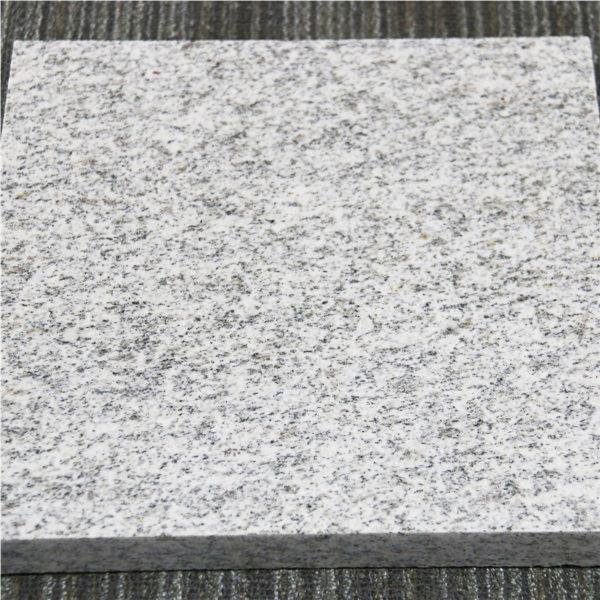
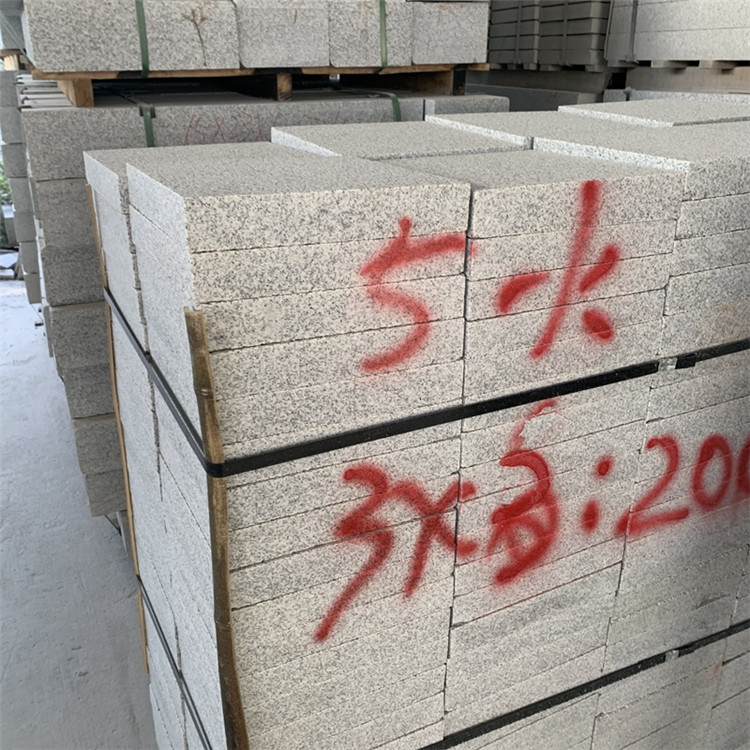
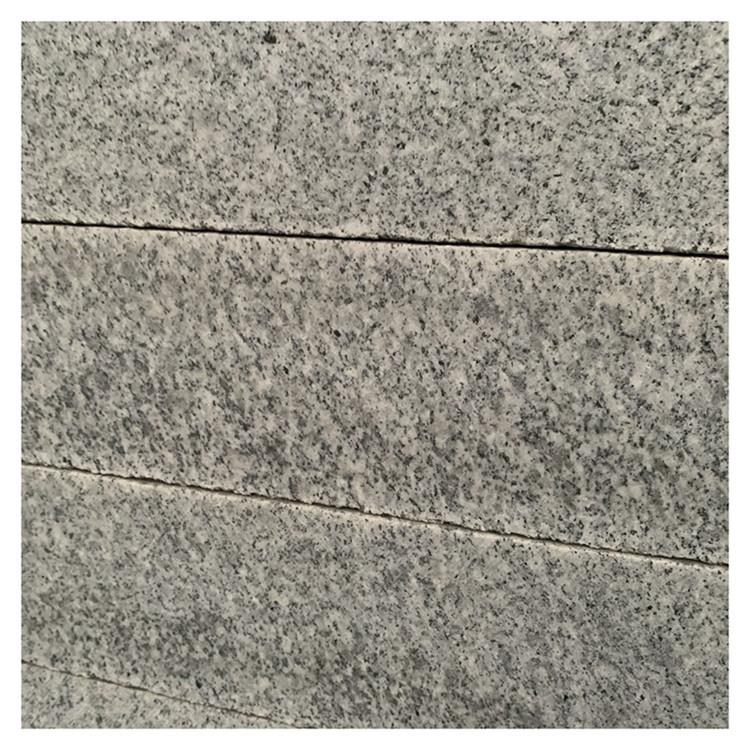
Stone materials can be broadly classified into two categories: natural stone and engineered stone. Natural stone is quarried from the earth and has been used for construction for centuries. It is available in various colors, textures, and patterns, making it a popular choice for both interior and exterior applications. Some of the most commonly used natural stone materials include granite, marble, limestone, and sandstone.
Engineered stone, on the other hand, is a man-made material created by combining natural stone particles with resin and other adhesives. It is more affordable than natural stone and offers greater flexibility in terms of color and design options. Some popular engineered stone brands include Caesarstone and Silestone.
Stone Material Specifications
When selecting stone materials for your building project, it is essential to consider the following specifications:
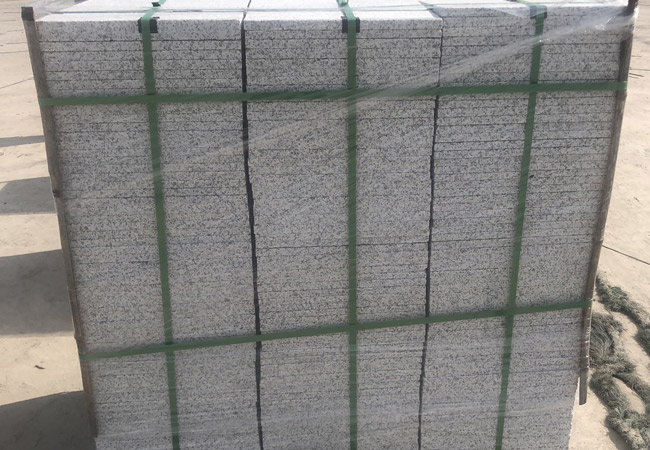
1. Compressive Strength: This refers to the ability of the stone to withstand pressure and weight. A higher compressive strength indicates a more durable and long-lasting material.
2. Porosity: The porosity of the stone affects its ability to resist water and stains. A lower porosity means a more resistant material.
3. Hardness: The hardness of the stone determines its resistance to scratches and wear. A higher hardness rating indicates a more durable material.
4. Absorption: The absorption rate of the stone affects its resistance to water and stains. A lower absorption rate means a more resistant material.
5. Density: The density of the stone affects its weight and durability. A higher density indicates a more durable material.
Applications of Stone Materials
Stone materials have numerous applications in building and construction, including:
1. Countertops: Natural stone countertops are a popular choice for kitchens and bathrooms due to their durability and aesthetic appeal.
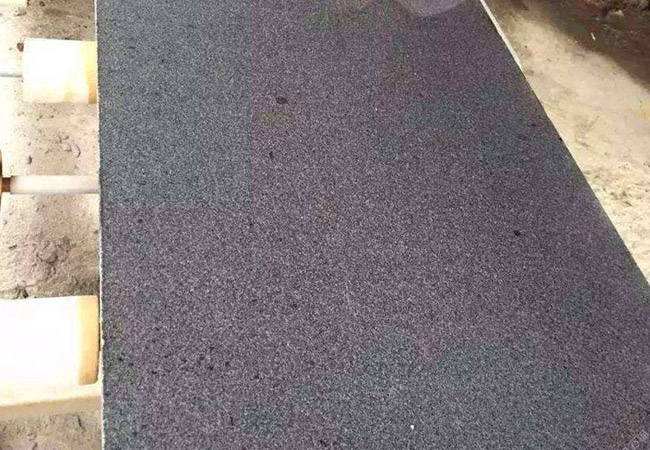
2. Flooring: Stone flooring is a versatile and long-lasting option for both indoor and outdoor spaces.
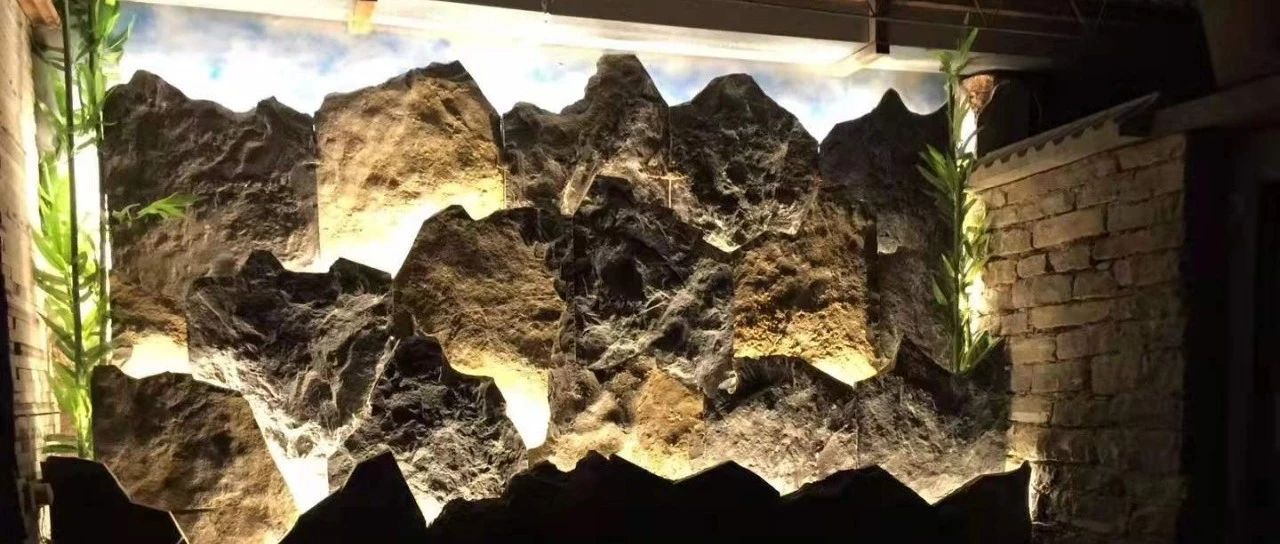
3. Walls: Stone walls can add a touch of elegance and sophistication to any building, while also providing insulation and durability.
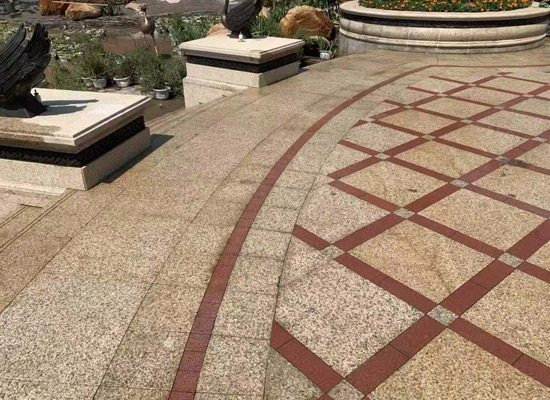
4. Paving: Stone paving is a popular choice for outdoor spaces such as patios, walkways, and driveways.
5. Landscaping: Stone materials can be used for landscaping purposes, such as retaining walls, garden borders, and decorative features.
Conclusion
Stone materials are a versatile and reliable choice for building and construction projects. With so many types and specifications available, it is essential to consider your project's specific needs and requirements. By understanding the different stone material specifications and their applications, you can make an informed decision and ensure the success of your building project. Whether you choose natural stone or engineered stone, you can rest assured that your project will be built to last with the right stone materials.
花崗巖路面防滑紋路制作方法
 詳解花崗巖路面防滑紋路制作方法,涵蓋工藝流程、設備選擇與實操...2025-12-22
大理石拼接縫隙填補材料選擇
 探討大理石拼接縫隙填補材料選擇的關鍵因素,從粘結性、收縮率到...2025-12-22
石材基層龍骨焊接防腐處理
 詳解石材基層龍骨焊接與防腐處理工藝,涵蓋焊接標準、防腐涂層選...2025-12-22
花崗巖雕刻工藝在景觀中的使用
 花崗巖雕刻工藝在景觀中的使用提升空間質感,結合耐久性與藝術性...2025-12-22
大理石門檻石安裝高度規范
 詳解大理石門檻石安裝高度規范,結合實際施工數據與工藝要點,解...2025-12-22
干掛石材幕墻伸縮縫設置位置要求
 主體結構伸縮縫所在垂直投影面是首要布設區。實際案例顯示,在華...2025-12-20
花崗巖石材色差控制施工建議
 花崗巖石材色差控制施工建議分享,從源頭選材到現場鋪貼,詳解降...2025-12-20
大理石背景墻設計與空間搭配
 探討大理石背景墻設計與空間搭配的實際應用,結合材質特性與室內...2025-12-20
石材廠家電話:17115012356
石材廠家地 址:山東省臨沂與濟寧交界處
Copyright ? 2020-2025 礦山源頭花崗巖工廠.花崗巖石材批發廠家 版權所有|石材價格|石材加工工藝|石材批發市場 魯ICP備2022010636號